


1. Project Assessment
Starting with an initial consultation, a member of our senior leadership meets with the prospective client to learn more about the project — including any hazard, risk, or resilience dimensions at play. After this introductory meeting, the full Pinchina team evaluates the opportunity to determine how well it aligns with the firm’s mission and service offerings.

2. Prospective Approach
Identifying all project stakeholders and conducting background research on the project site — including its exposure to climate and hazard risk — as well as assessing potential challenges and opportunities, is a critical next step in the ‘Pinchina Process.’ At this stage, we also determine the skill sets needed for this project, including disaster recovery and climate resilience expertise where relevant, while also considering collaborative opportunities within the Pinchina network. From this, we develop a conceptual model and an initial proposal that includes a timeline for the Pinchina project team’s involvement.
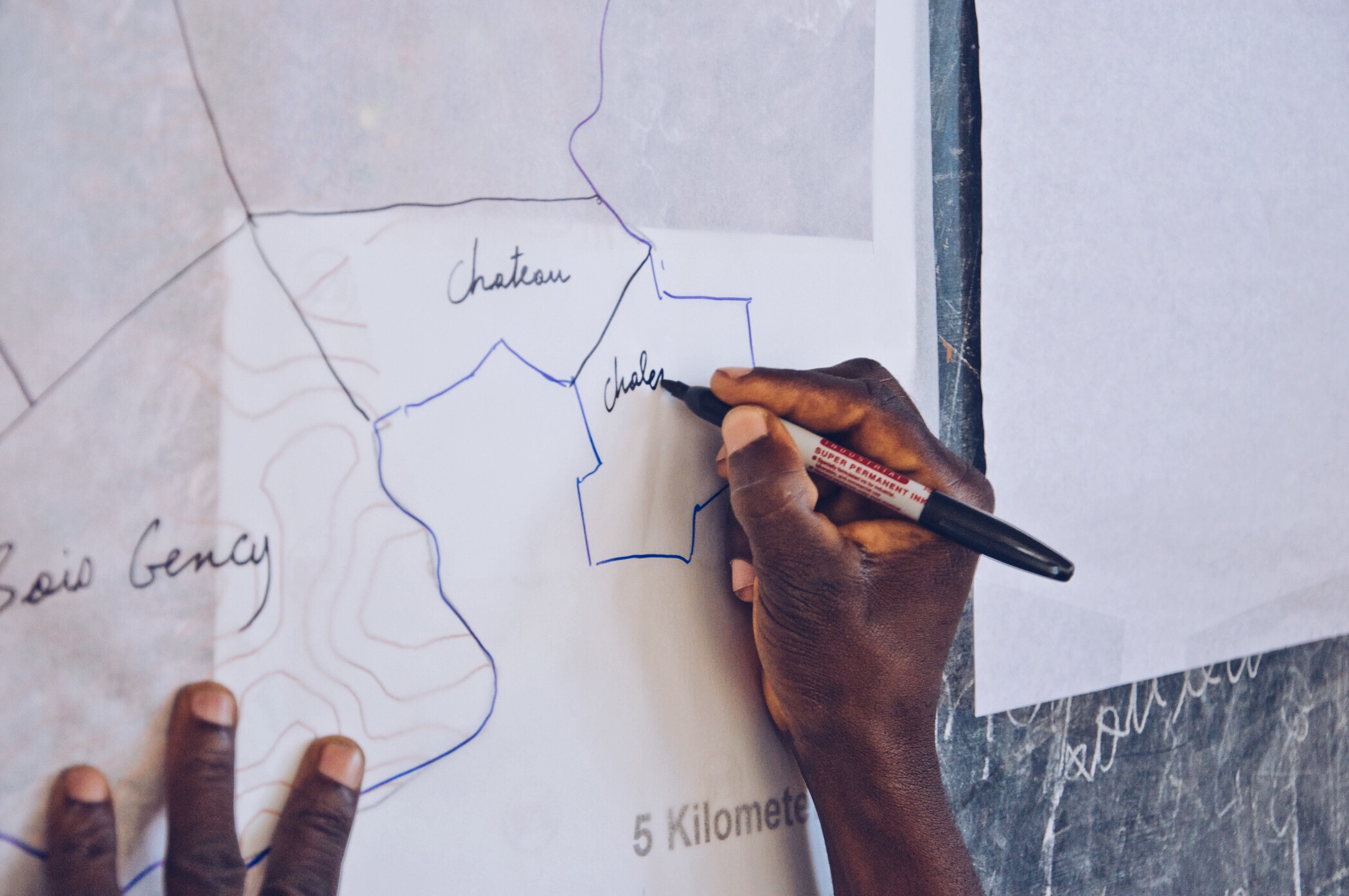
3. Proposal Draft
We then develop and deliver a draft proposal to the prospective client. The prospective client can also submit a proposal to us as well. After review, we schedule a follow-up consultation with the client and a member of the firm’s senior leadership to analyze and revise the proposal as needed.

4. Project Plan
In the final stage of our process, we work with our new client to finalize the project proposal, including agreed-upon responsibilities and deliverables for the Pinchina project team and the client. This includes a monitoring plan for ongoing evaluation throughout execution — and, where applicable, a preparedness or resilience benchmark to track the community’s readiness over time.